
Guest Stories
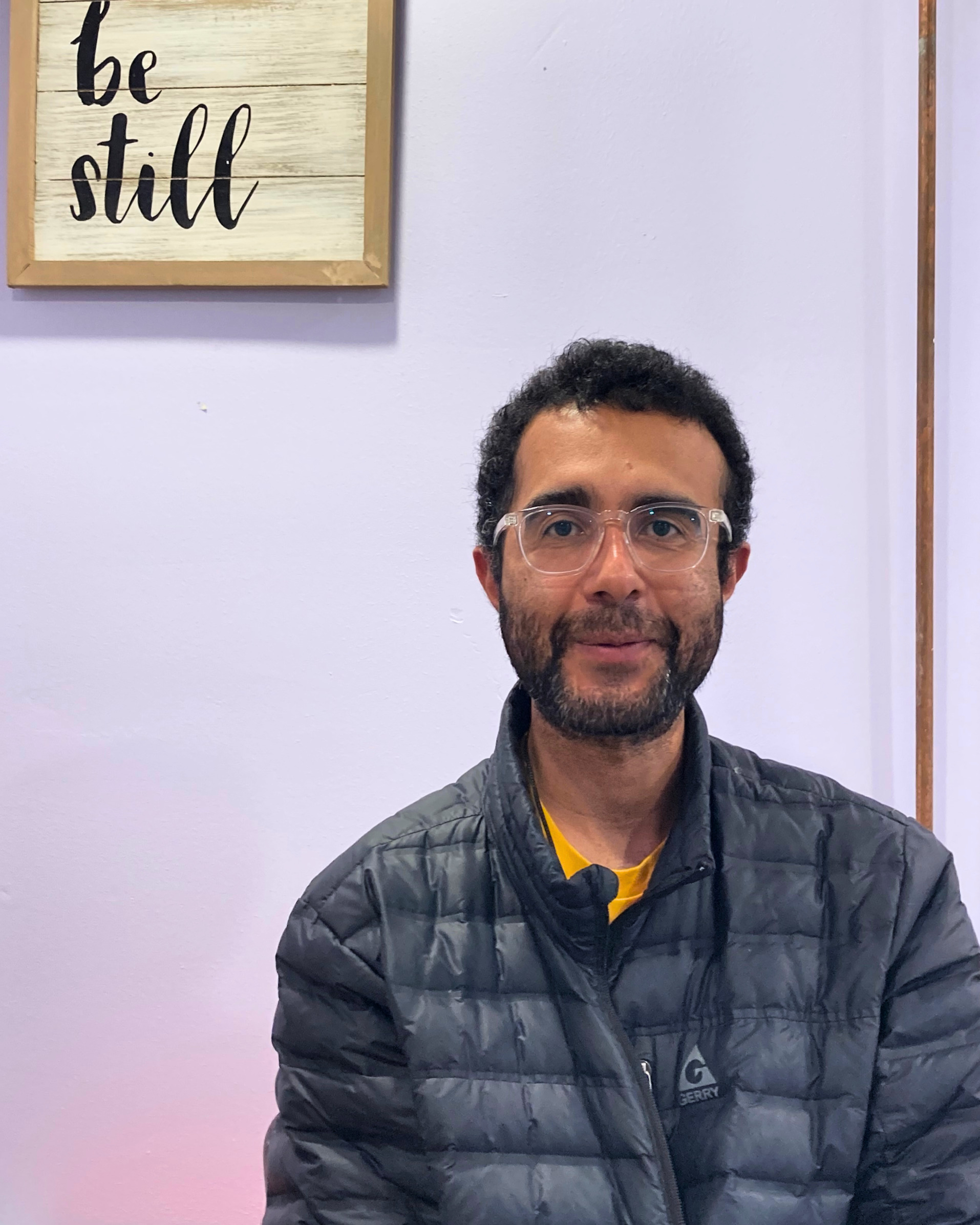
Felix’s Story
While in recovery, Felix found an old photograph of his sister hugging him when he was a little boy in Honduras. It was a sister he had never seen again.
What caught him most was his smile in the photo: bright, joyful, almost unrecognizable to him now.
“I don’t usually have that bright of a smile,” he said.
That image stayed with him. It reminded him of a part of himself he had lost somewhere along the way and stirred a desire to reconnect with family he hadn’t seen since childhood.
For years, Felix’s life was marked by instability.
Read More
Felix’s mom brought him to the United States at age four. He loved and excelled at school and dreamed of going to college. His family believed he would be the first to go. But as a teenager, he learned he was ineligible for federal financial aid because he was not yet a permanent resident. Overnight, the path he imagined for himself changed.
He drifted and lost his sense of purpose.
Music became his refuge. He traveled, worked, and built a life, but alcohol slowly took hold. Over time, instability deepened into homelessness, addiction, and isolation.
Then, in January, everything changed.
While living on the street, Felix was violently assaulted and suffered a traumatic brain injury so severe doctors later told him only about 30 percent of people in his condition survive.
He calls the stranger who called police that night his “guardian angel.”
After more than two months recovering at a local hospital, Felix was referred to RecoveryWorks’ medical respite program, where he continued healing—physically, emotionally, and spiritually.
But something deeper had shifted.
For the first time, Felix was willing to accept help and ask for it.
“I had a huge resistance to working through my problems,” he said. “After everything that happened, my willingness changed. I was finally ready to accept support and do the work to get better.”
At RecoveryWorks, he found more than a safe place to recover. He found consistent support, help navigating housing, connection to workforce training, and a team walking alongside him as he began rebuilding his life.
Today, Felix is working overnight shifts to earn immediate income. He has completed the Launch program at CrossPurpose and plans to begin medical billing training this summer, building toward a long-term career and greater stability. Staff are also helping him search for housing and replace vital identification documents lost during years of homelessness.
Most importantly, Felix says something inside him has shifted.
“At the core of it, this whole experience changed my mentality from negative to grateful,” he said. “I was given a second chance at life. I would be really ungrateful not to get better.”
After years of searching, Felix recently reconnected with his sister. Today, they stay in touch, and she has become a source of encouragement and support.
For Felix, having a stable place to heal and people that cared about him made it possible to move forward.
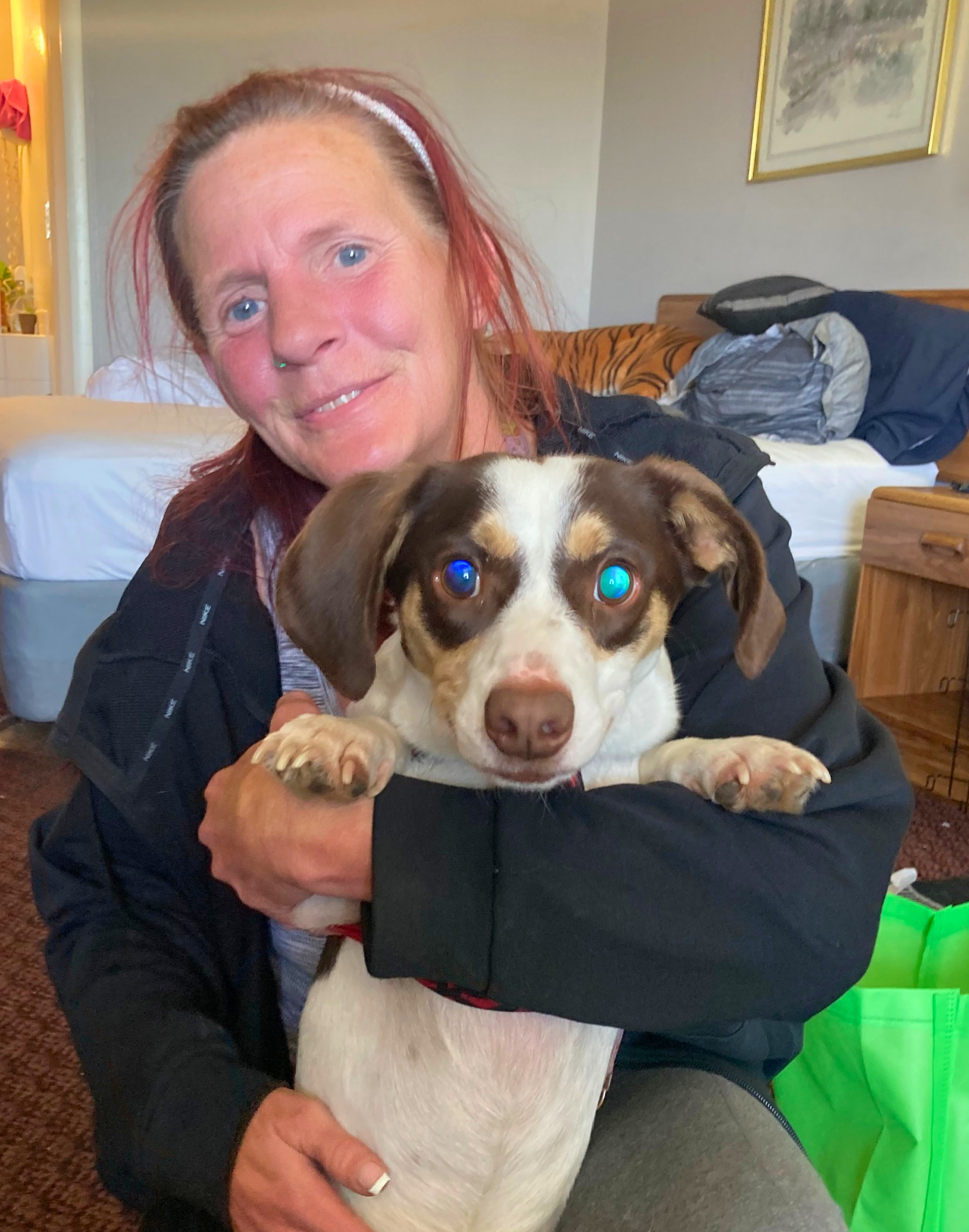
Diane’s Story
“I haven’t been this happy in a long time. This is the first time I’ve ever had my own place.”
Diane grew up in Kentucky in the foster system after an early childhood marked by severe abuse.
“I was raised by the state,” she said.
She moved through group homes and never found a permanent family. As an adult, she held onto the few relationships she had—but within five months, she lost both her brother and her fiancé—the only two people who had cared for her.
Not long after, she became homeless for the first time.
“The only way to survive out there was to stay messed up and strung out,” she said.
Read More
For 40 years, drugs were the focus of her life. It was how she survived.
When RecoveryWorks’ street outreach team found Diane in a King Soopers parking lot in Lakewood, she had just lost everything again—her tent had been cut up and stolen right before the first snow. She was alone, exposed to the cold, and trying to survive.
They helped her get inside.
At Mountain View Flats, Diane finally had stability and with it, something she hadn’t had in decades: the ability to focus on recovery.
She enrolled in the All Roads Recovery program, starting medication-assisted treatment and attending 12-step meetings.
“This is the first time I’ve been sober in 40 years,” she said.
In just over three months, a lot has changed.
“I didn’t realize how much I chased drugs,” she said. “That was my whole focus.”
Now, her focus is different.
She’s been rebuilding the basics—getting her birth certificate, Social Security card, and ID.
“Starting from scratch is hard when you don’t have proof of who you are,” she said.
She had her chiweenie dog, Clumsy, with her for a year on the streets before coming to RecoveryWorks.
“I didn’t even know he was blind, I was so caught up in drugs,” she said. “I feel ashamed I neglected getting care for him.”
Today, Clumsy is healthy and by her side.
Diane stays busy—going to meetings, taking walks, and working toward her next steps. She’s looking for a sponsor and hoping to find part-time work.
On Monday, May 11, Diane moved into her own apartment—for the first time in her life.
When asked what stability means to her, she kept it simple:
“Having a roof over my head, income… it feels really good. Being homeless is scary, especially for a woman.”
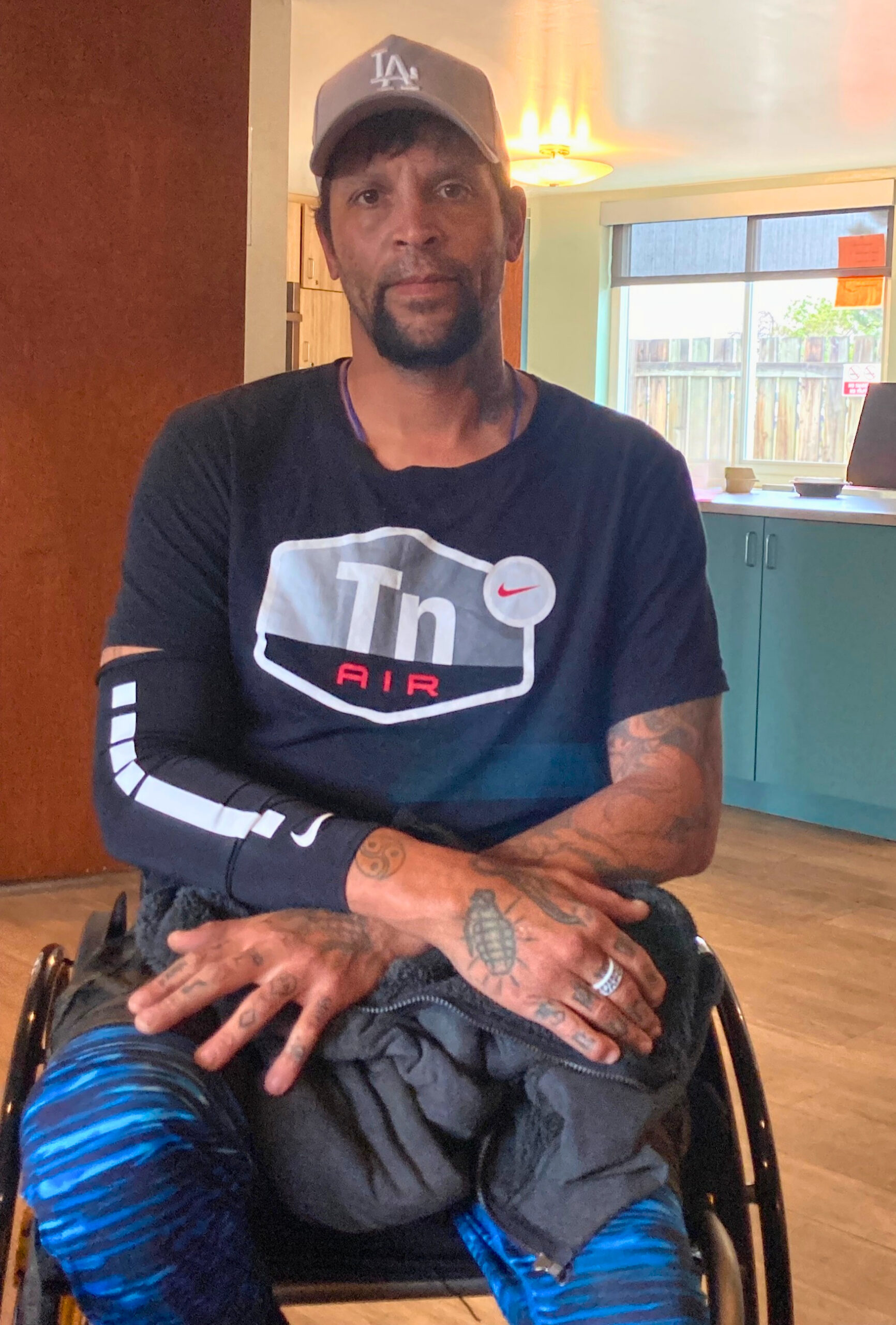
Olin’s Story
“Perseverance is my superpower. I can take on just about any obstacle or challenge tossed at me. I keep trying.”
That’s how Olin describes himself.
Not someone who’s had an easy road—just someone who keeps moving forward.
Olin grew up with instability from an early age. His family moved often throughout the Northwest, and there were periods of homelessness in childhood. Some summers, home was wherever they could camp until school started again. Stability was never something he could count on.
As an adult, Olin built a life through hard work. He served in the U.S. Air Force and later worked in Wyoming’s oil fields as a pipebender—physical, demanding work he took pride in. After a serious workplace injury damaged his spine and led to the amputation of his leg below the knee, life changed dramatically.
Read More
Olin later moved to Colorado to be close to his medical care team at Craig Hospital who helped him recover, fitted him with a wheelchair, and treated him with skill, dignity and compassion.
But even with that support, stable housing remained out of reach.
His income became dependent on Social Security—about $1,300 a month, far short of what it takes to afford rent. Without housing, it became incredibly difficult to move forward. He needed identification to apply for jobs. He needed a safe place to shower, rest, and keep his belongings secure. And without that basic stability, finding work became harder.
For nearly four years, Olin survived however he could by sleeping in vehicles, carrying only what he could fit in a backpack, and trying to stay out of sight and out of trouble.
Then, while living behind a store in Littleton, a kind street outreach worker connected him to RecoveryWorks.
That connection changed everything.
“So far, my time at RecoveryWorks has been phenomenal,” Olin says. “I haven’t had this kind of comfort in years.”
For Olin, stability means consistency—knowing every day he’ll have food, rest, and someone to talk to when bad nightmares or other struggles hit. It means not having to spend all his energy worrying about survival and safety, so he can focus on building the foundation for his future.
He is the last of his family alive, and says RecoveryWorks is the first place in a long time where he’s felt supported like family. People listen when he’s struggling and help him put the pieces together to build a foundation for moving forward.
He says he’s stayed in many shelters and programs over the years, but few compare.
“I’ve never seen many places like RecoveryWorks. The staff, the space, the support they give me has been a beacon and a light. I’ve seen maybe 20 places like this in my life, and hands down, this place is above the rest. It works. I’m grateful. I’ll always be an advocate for this place. If someone is struggling and willing to accept help, come here.”
“My recovery is not about substance use. It’s about getting back on my feet, putting the building blocks together not just for another three or six months, but for years. It’s about finding a home where I feel safe and secure. It’s the same thing everyone wants.”
He wants to find work to supplement his income so he can afford rent and build lasting stability. He plans to return to school and pursue training in renewable energy—work that will keep him learning, will challenge him, and help him build a better future.
When asked what he wants people to understand about homelessness, Olin’s answer is simple:
“Have compassion. This can happen to almost anybody. People don’t want to be homeless. Be kind.”
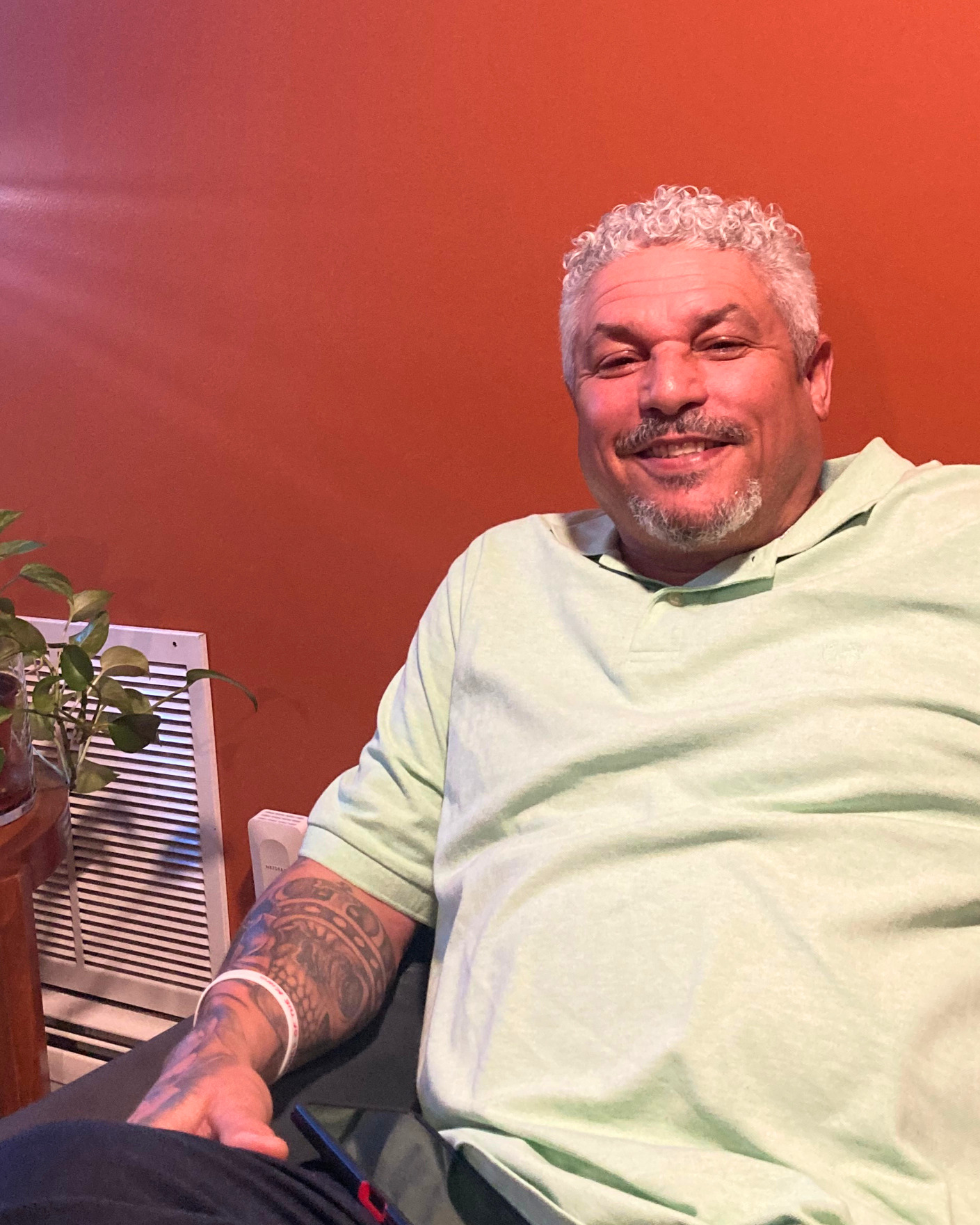
Jose’s Story
Jose came to Colorado from New Orleans in 2007 after Hurricane Katrina forced him to relocate and rebuild. For years, he did just that—married for nearly three decades, owning a home in Jefferson County, and living what he calls the “American dream.”
But in 2016, things began to unravel.
“I got divorced, and I slowly started going downhill,” Jose says. “I got really depressed, started isolating, drinking more and more.”
He lost his job. Then his home. Eventually, he found himself living in an extended-stay hotel, paying nearly $700 a week—burning through what little he had left.
Before long, Jose was homeless, living in his car for nearly two years while continuing to work at a local tire shop—often putting in 12-hour days, five days a week.
Then, earlier this year, something unexpected happened.
Read More
A customer came into the shop to buy tires. In conversation, Jose learned the man worked at RecoveryWorks.
“I told him I knew someone who needed help,” Jose recalls. “Then I pulled him aside and said—that person is me.”
The man told him to come in for an assessment.
“It was such a blessing to run into him,” Jose says.
Jose was accepted into RecoveryWorks’ Bridge Housing program—and from the moment he arrived, things began to change.
“That same day, I was given a key to a room,” he says. “It was comfortable, clean, and safe. That’s all I needed.”
More than that, it was how he was treated.
“From day one, I was treated like a person—a human being—with total respect,” Jose says.
“When I’d come home, so often Quinn or Adam [case managers] would be out there to say hello.
That meant a lot to me—to feel respected, welcomed, and loved.”
Within two weeks, another opportunity opened. Through a partnership with Hello Property Management, Jose applied for an apartment—and was approved within 24 hours.
After just six weeks at RecoveryWorks, he moved into his own two-bedroom apartment.
“It’s clean, it’s mine, and it’s a good stepping stone in the direction I want to go,” he says.
While working to rebuild his own life, Jose also found purpose in supporting other guests.
“While I was there, I helped two other people get settled,” he says.
Now, he’s looking ahead—and looking to give back.
“This place is heaven-sent for someone who really wants to change their life,” Jose says.
“Food, shelter, real conversation—it can truly help people get back on their feet.”
He’s in conversations with staff about returning on his days off to co-lead an AA group for guests.
“This place will never leave my heart,” he says. “I’d love to give back.”
Jose knows the challenges don’t disappear overnight. Long workdays and isolation are still things he’s working through. But he also understands how quickly life can shift—and how important it is to break the cycle.
“It’s easy to fall into depression, drinking, and homelessness,” he says. “Places like RecoveryWorks are what help people turn that around.”
Sarah’s Story
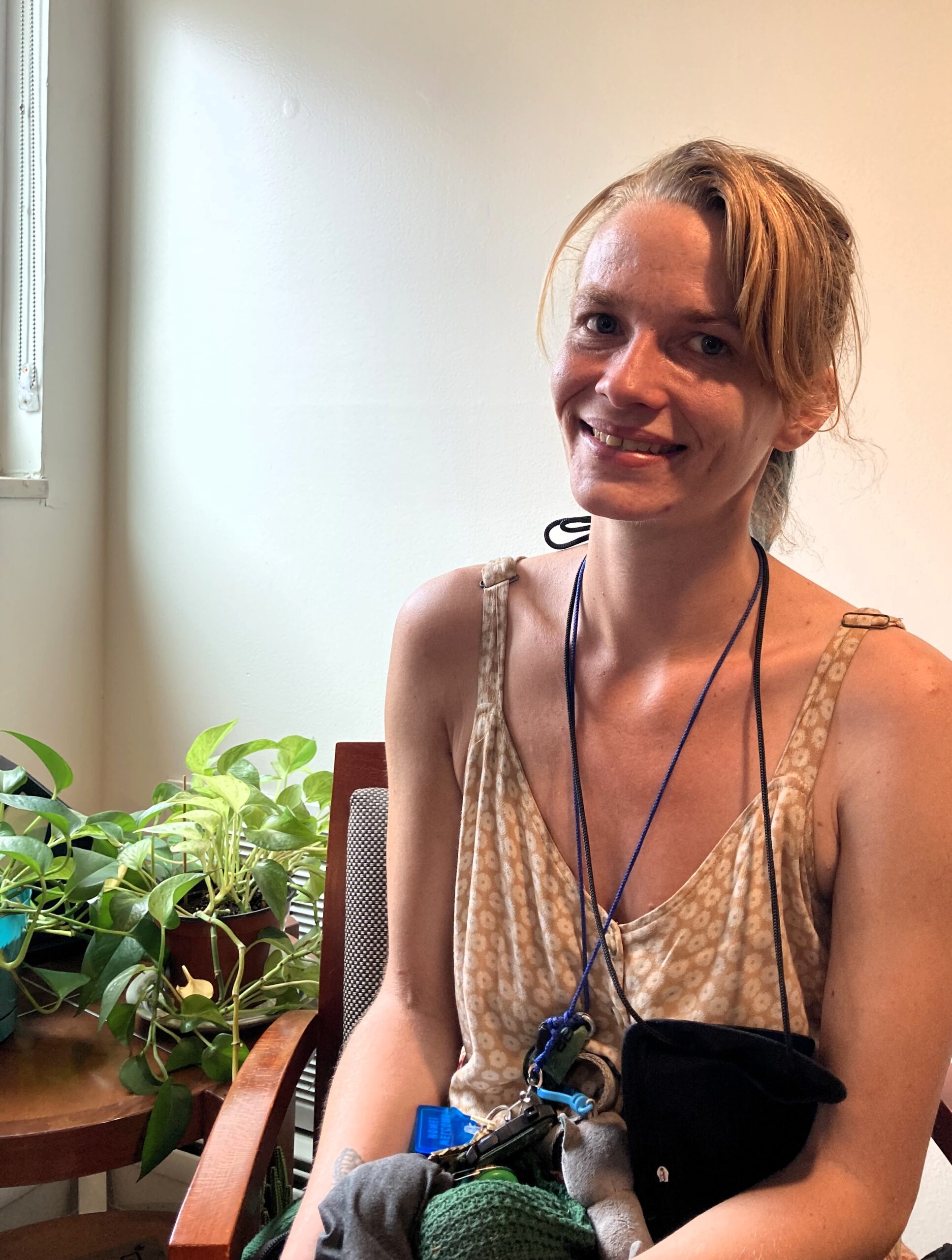
Sarah describes herself as a “Daddy’s girl.”
“My dad made me feel like a princess,” she says. “Every problem I had, my dad would fix.”
Sarah, now 33, has spent her adult years in Colorado after moving here to live with her father, a Colorado native. She worked steadily from a young age—starting at 15—first as a nurse’s aide and later as a Starbucks manager.
Life brought both joy and hardship. Sarah became a mother and built a life here. But over time, a series of losses and health challenges changed everything.
Read More
Her mother passed away first. Then, two years ago, Sarah lost her father.
“We were staying at a motel on Colfax,” she recalls. “An hour after my dad passed, the hotel told me I had to leave. They assumed it was drug related, and it wasn’t. At that moment, I lost my my dad and my home.”
Sarah spent the next year and a half living outside in Lakewood, in a park near Colfax Avenue. “It’s so hard,” she says. “Anyone that’s homeless, I give them mad props. It is not for the weak.”
During that time, Sarah struggled with serious health challenges and overwhelming grief after a lifetime of one trauma after another. “Shortly after my dad passed, I gave up,” she says quietly. “I didn’t care anymore. I thought I was just going to lay there and die.”
Then someone showed up who refused to let her disappear.
“Michelle was an angel,” Sarah says. “Almost literally she dragged me out of that tent. She didn’t give up on me.”
Michelle Chorens, RecoveryWorks’ street outreach specialist, checked on Sarah regularly, bringing food and encouragement—even helping her care for her dog. Even when Sarah missed her first appointment, Michelle and Housing Specialist, Stacy Galvan, returned to the park and helped her fill out the paperwork on the spot. Soon after, Sarah moved into RecoveryWorks. Through RecoveryWorks’ housing and recovery programs, Sarah was able to move indoors, stabilize her health, and begin working with staff on her next steps toward permanent housing and rebuilding her life.
“At first I was so depressed I couldn’t do anything,” Sarah says. “My room got trashed because my mental health was so bad. My recovery has really been about mental health recovery.”
With support from staff, including her case manager Quinn Cox, things began to shift. “After a couple weeks at RecoveryWorks, I finally snapped back into being me again,” she says. “I started taking showers, cleaning my room, and taking care of myself. They cared, and they helped me help myself.”
Today, Sarah says RecoveryWorks has given her something she hadn’t felt in a long time. “RecoveryWorks made me feel normal again. It’s my safe spot.”
Her motivation moving forward is clear. “The whole reason I’m here is because I want to fight and get my parental rights back,” she says. “I’m a good mom, a good human. I want to be the best mom I can be because that’s what my daughter deserves.”
Sarah has already started giving back by volunteering and hopes to return after she moves on to teach sewing and crochet classes. “As long as I make someone ‘s life better and to bring the world up, that’s all that matters, that makes me happy.”
Lucille’s Story
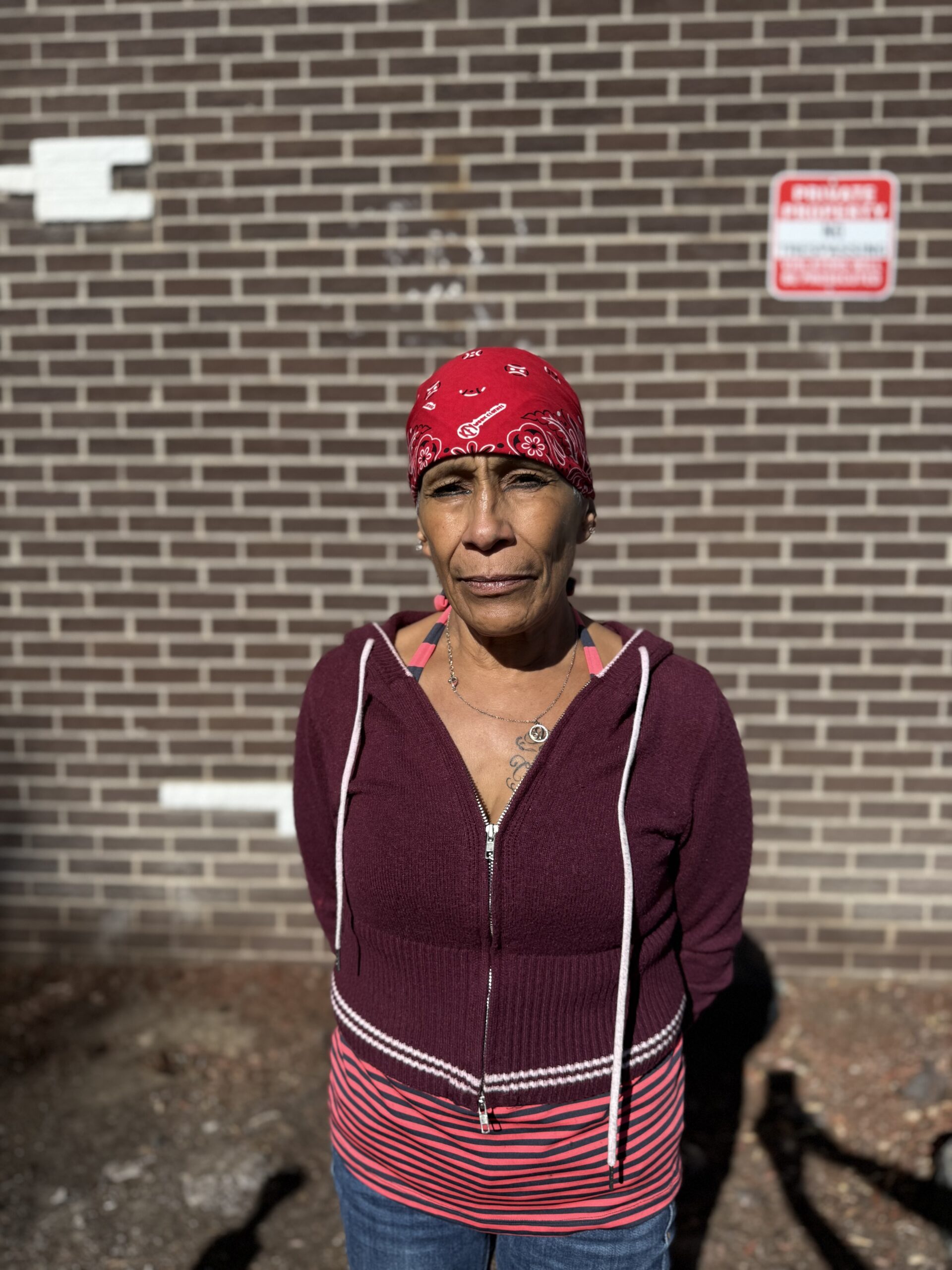
Lucille was housed and living near 16th and Reed when she first discovered RecoveryWorks in 2021. Curious about the services being offered, she began stopping by regularly to have lunch and spend time in the space.
Not long after, the building where Lucille lived transitioned to new property management. Her rent increased by $500 per month, with tenants given just four weeks to begin paying the new rate. Many of her neighbors were evicted during that time, and Lucille soon lost her housing as well. Around the same period, she experienced the devastating loss of her son, a 32‑year‑old steel worker.
While unhoused, Lucille was mindful of her surroundings and made a point not to treat the front steps of businesses where she slept as her own. Each morning, she cleaned up after herself, packed up her tent, and stored her belongings in her car. Her car was broken into multiple times, and each incident meant starting over — replacing essentials like her Social Security card, ID, phone, tent, and sleeping bag. With support from RecoveryWorks case managers, the Lakewood Police Department Navigation Team, and Action Center, Lucille worked to rebuild again and again.
Read More
Lucille’s health also declined during this time. She experienced temporary blindness due to cataracts, and painful complications in her lower back made walking difficult. She became disconnected from her family, not because they didn’t care, but because she didn’t want them to see her in that situation. “I didn’t want them to see me like that,” she shared. “I didn’t have anyone.”
Still, Lucille continued working on her sobriety and staying engaged with support. Today, she takes pride in caring for her home and herself. “I am so content in my place,” she says. “I want my place to be nice. I am constantly washing and caring for it, like it is a puppy.”
Lucille has since reconnected with her family and shares meals with them whenever she can. Her 12‑year‑old grandson visits every weekend, and together they bake cookies. She also continues to care for her community — cleaning up trash, sharing food and resources, and checking in on those still living outside. “I can’t forget where I was,” she says.
Lucille once found herself alone, unhoused, and fighting to stay hopeful. After connecting with RecoveryWorks, she says the support “gave me a sense that I wanted to live again, when I had given up.” Today, she is rebuilding her health, reunited with her family, and moving forward with purpose. “I mattered to you. I matter to myself now,” Lucille says.
Shawna’s Story
My name is Shawna. I’m 52 years old. I have three children who are grown, but I haven’t seen them in a long time. I live with my fiancé and my cat, Fred. And I’m no longer homeless.
I’ve struggled with addiction since I was 16. I stayed clean during my pregnancies, but after I lost my children 18 years ago, I turned to alcohol and drugs heavily—especially alcohol. About three years ago, I was homeless, living in a car with a man I’d met.
We were terrified the police would tow our car, so we climbed into the trunk to hide. He broke the key in the lock and trapped us inside. I was stuck in that trunk for about seven hours—with him lying there dead beside me.
Read more
After that, I came to Lakewood, where a good friend, now my fiancé, helped me survive. I found RecoveryWorks by staying in my car across the street, waiting for them to open each morning so I could wash up and get a meal. It took time before I could talk to anyone—I was afraid they’d hurt me. But they were patient.
Last Christmas Eve, I was so close to suicide. I barricaded myself in my car, convinced no one cared. But RecoveryWorks had been listening all along. That night, they came to my car and convinced me to come out. I said no at first. Then they said, “Shawna, we have a place for you to go.” I jumped out of my car with joy. It warmed my heart. For the first time, I believed people truly cared.
They put me in a hotel to keep me warm through the winter. By mid-April, they found me housing. I’ve been there ever since. I’ve been clean and sober for almost 90 days as of November 6. It’s still a struggle every day. But I don’t know where I’d be without RecoveryWorks. I don’t think I’d be alive. They brought me to a place in my heart where I could believe in myself. I have so much confidence now—more than I’ve ever had in my life.
Sonny’s Story
Sonny moved to Jefferson County in 2003 and built a stable and secure life. He earned an associate degree in medical lab technology, getting married, and raising two children. After a job layoff in 2016 and a series of short-term lab and kitchen roles, he hit a wall eventually late last year. From October 2024 to May 2025, Sonny couldn’t find work. He lost his apartment and moved in with his ex, who eventually made him sleep outside in a tent under the deck. Without access to a bathroom, he risked legal consequences – “If you get caught peeing in public, you could end up with a sex offense.”
Still, Sonny stayed hopeful. “Getting mad just drains your energy,” he said. “I did everything I could, and eventually things came along.” He points to his positivity as a key reason why he’s been able to stay resilient despite unexpected setbacks.
Read more
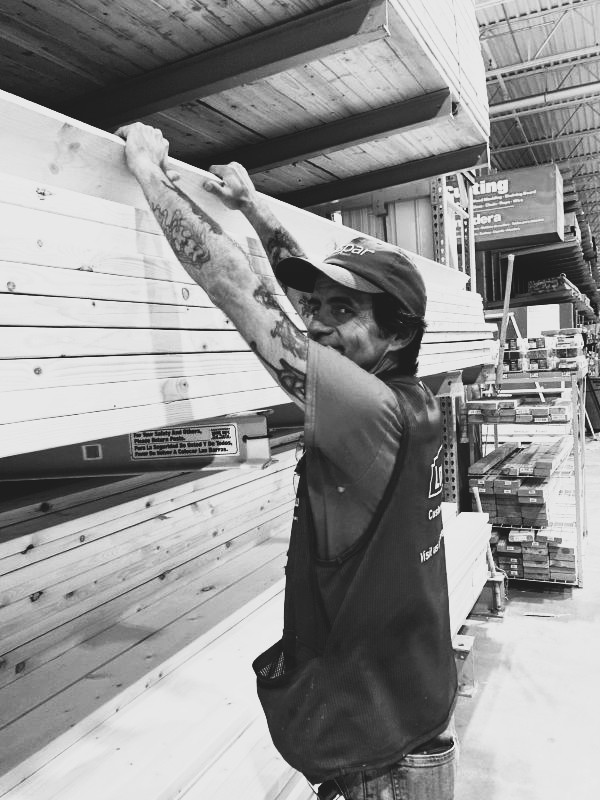
In May, Sonny started a job at Lowe’s in Lakewood. He loves the people there and the job. A former RecoveryWorks guest and Lowe’s colleague connected him with Princess, a navigator in Lakewood, who referred him to RecoveryWorks. There, Sonny found what he needed to get back on his feet: a safe place to sleep, access to food and a bathroom, time to save and help with finding an affordable place.
After about two months at the RecoveryWorks bridge housing program, Sonny moved into his own apartment off South Federal in Denver—a quiet space he calls his “fortress of solitude.” “Everyone at RecoveryWorks was fantastic,” Sonny shared. “Stacey worked hard to get me into an apartment, Cameron helped with bus tickets, and Kathy’s cooking was amazing.”
After RecoveryWorks: Giving Back and Moving Forward
Just days after leaving RecoveryWorks, Sonny returned – this time not as a guest, but as a volunteer for Lowe’s Red Vest Day. “It felt good to visit with residents and staff,” he said. “I got to say goodbye to staff and chat with folks still in the program.” Thanks to furniture and assistance from RecoveryWorks and generous Lowe’s colleagues, Sonny is focused on rebuilding — paying bills, keeping his housing and job, and supporting his kids.
Cindy Lou’s Story
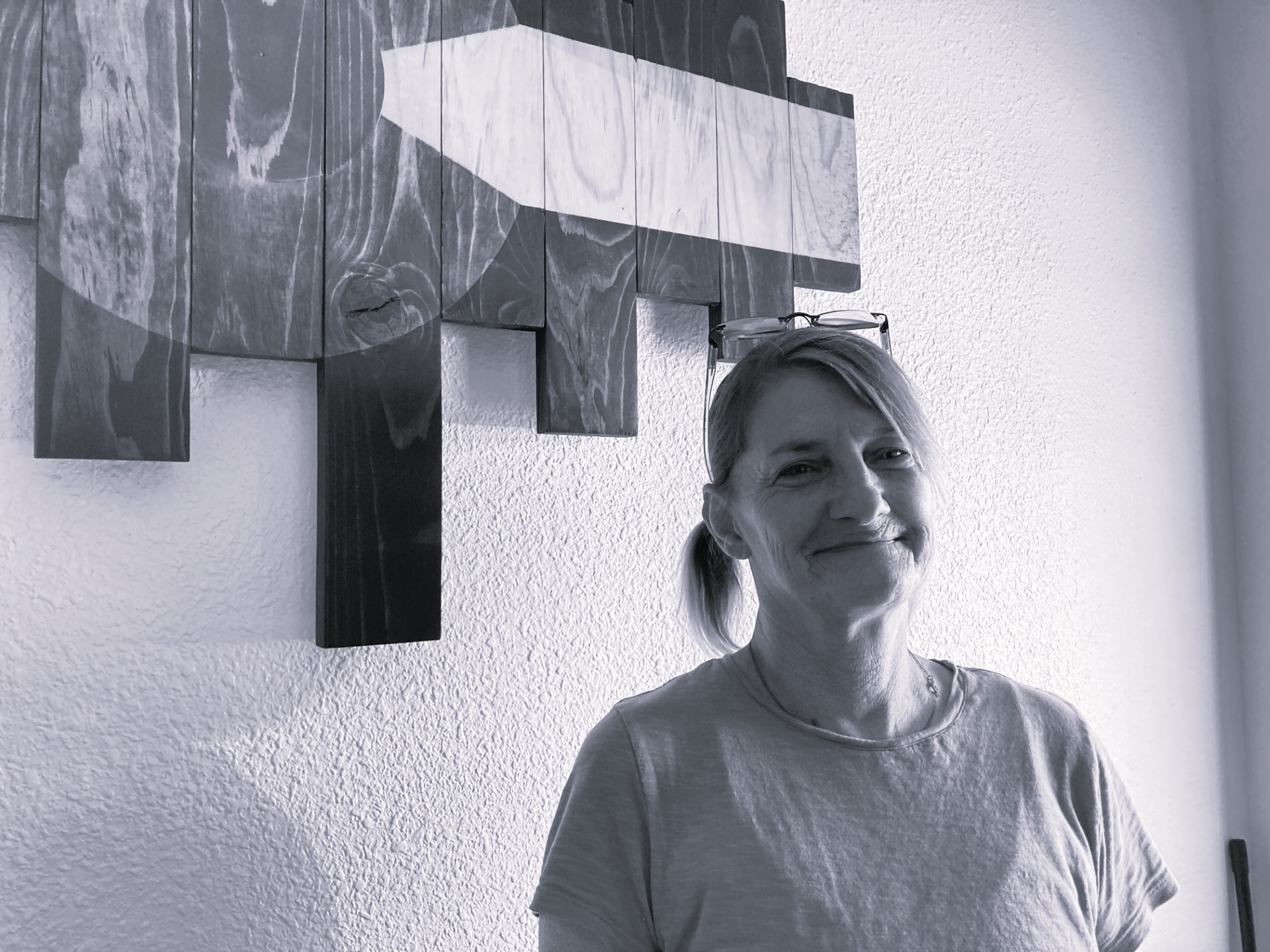
I’ve lived in Colorado since I was 14, mostly around Lakewood, Wheat Ridge and Golden. I’m 57 now. I worked hard most of my life in service industry; I even served food and drinks at Broncos games for seven years. I raised two daughters and helped put them through college – one graduated from Mines and the other from DU.
I raised my daughters with my mom for many years. After we had a big fallout, I had just seven hours to leave. I became homeless bouncing around with friends and then lived in my car. When Denver towed it and my storage unit was destroyed I started lived in tents, abandoned houses, and even in a bush. I wasn’t drinking or using drugs. I worked at McDonald’s and delivered pizzas while I was homeless, but it was impossible to keep a job when I had nowhere safe to sleep or store my things. I panned for food outside Walmart and lived this way for about five years. One day, things changed.
Read More
One of my friends saw a post on Facebook about RecoveryWorks and sent me the information. I started going there for meals. The staff helped me get a phone, food stamps, and Medicaid. A lot of us on the street don’t even know programs like these exist until we get connected with a place like RecoveryWorks. On Christmas Eve last year, staff told me I got a TSS housing voucher. I was in shock. I stayed at RecoveryWorks’ Bridge Housing program until I moved into my own place in April.
I’m back in housing now and starting to get my life back. I want a job or I will go insane! I enjoyed counseling people and connecting them with resources while I was homeless, so I want to keep helping people.
If I could tell people one thing, it’s this: Please don’t judge people who are homeless. Be kind. If people are dirty and drugged out, it’s because they are desperate and no one is there for them except the drug and their buddies who use drugs. They’re not always looking for a hand-out, many are looking for a hand-up. We’re all just trying to survive.
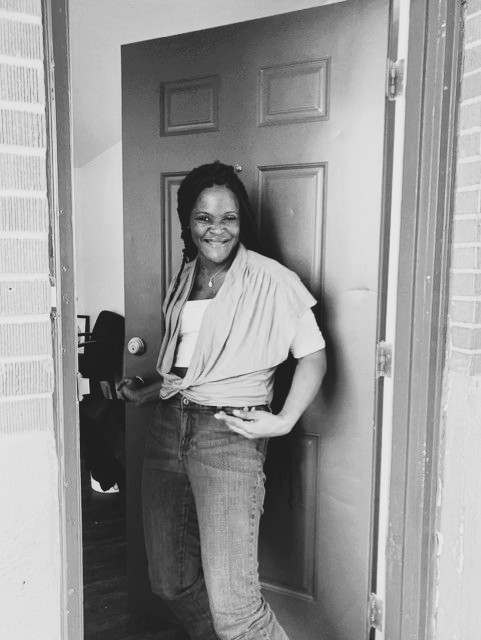
Monique’s (Mo) Story
I never thought I’d end up homeless. I’ve worked my whole life, always believed in earning my way. But then I got sick with generalized dystonia, and everything started slipping away. I couldn’t work anymore, had to go on disability—but that wasn’t enough to keep me on my feet. Then things got worse. Someone stole my identity, robbed me, and I lost everything. My kids, my stability, my house. I was hoping for a fresh start when I was hired to open the new Laredo’s and the 7-Eleven in Wheat Ridge. I thought I could rebuild my life. But the people I stayed with took advantage of me, and before I knew it, I was on the streets of Lakewood.
Living on the streets wasn’t just about finding a place to sleep—it was about staying alive. I spent every day trying to keep safe from traffickers, thieves, and worse. I’ve seen terrible things, been called names, had rocks thrown at me just for existing. It wore me down, left me with PTSD so bad it’s hard to trust anyone now. More than anything, I wanted to work again, but it’s near impossible to find a job when you have no bus fare to get to job interviews, nowhere to clean up, nowhere to store my belongings. People think getting out of homelessness is just about wanting it—but it’s not. You need help.
Read more
RecoveryWorks helped me get new id’s after they were stolen, helped me find this new apartment, gave me a chance to be a resident again, part of society. For the first time in years, I feel like a person again, not invisible. Recovery to me is re-living. My next step is finding a job so I can pay my own way. I want people to open their hearts and see that everyone has worth—housed or not. Being homeless doesn’t mean you don’t deserve dignity or a chance. My dream is to go camping with my kids and grandkids, take pictures, make memories.
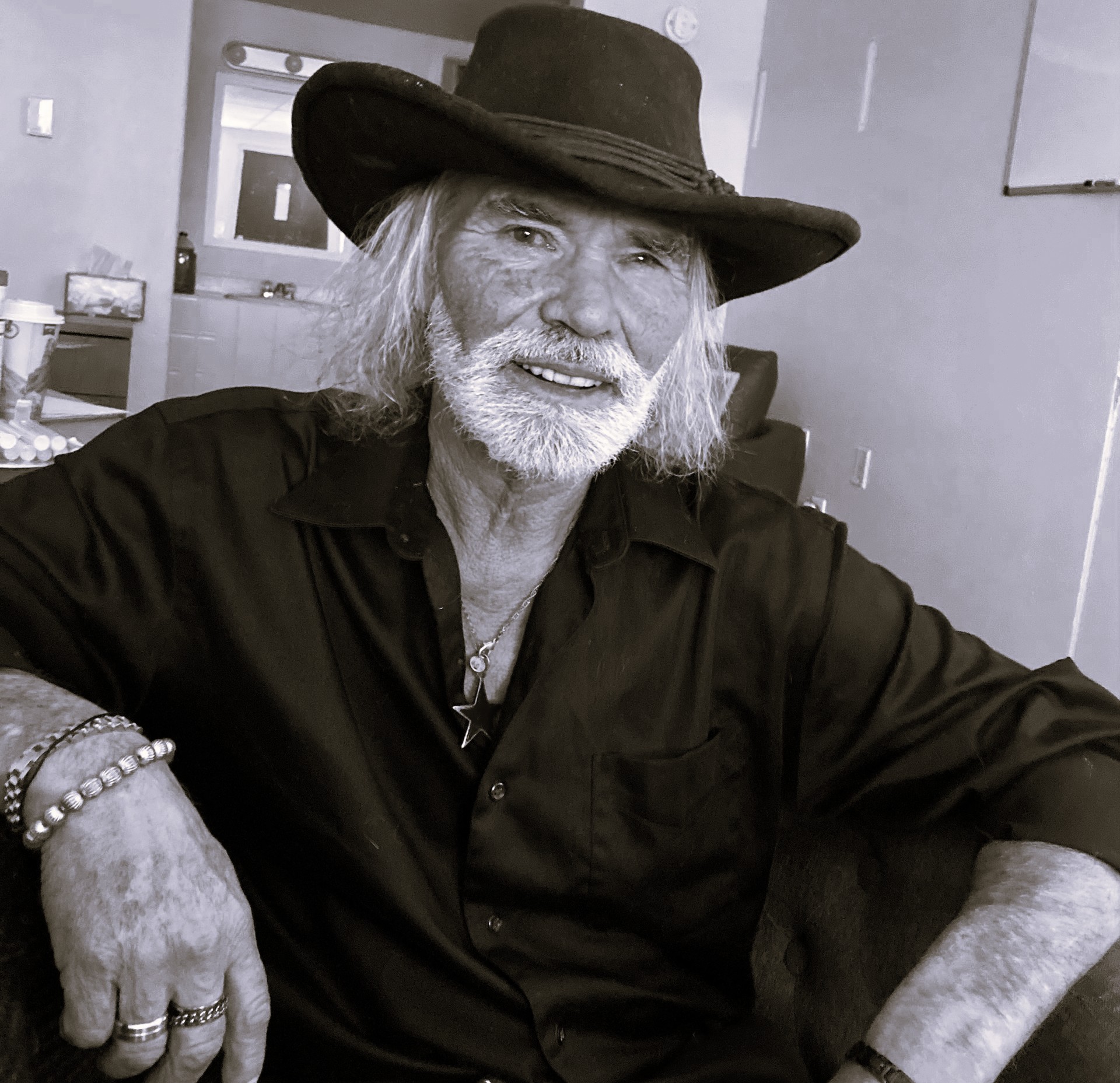
Dennis’ Story
“I grew up in Wheat Ridge and graduated from Jefferson High School. Though I didn’t graduate, I truly loved school. I got married and had three kids and 5 foster kids. My son passed away in a tragic accident at the State Hospital years ago. It was devastating and I was very depressed for a long time.
I owned two houses in my life and used to buy antique cars, fix them up and sell them. After many years, my wife and I divorced and I ended up living in my car because all my income went to child support payments. I had my own business for many years, Color Change Painting and just retired last year at age 62. I worked hard my whole life, even while I was homeless.
The hardest part of being on the streets was the cold and trying to get enough food. Thanks to RecoveryWorks and Mean Street Ministries I managed to get by. I got along with most everyone on the streets, and acted like a counselor, giving advice. I’ve lost about ten friends out there and almost froze last February. Most homeless people are nice, they just need some guidance getting back on their feet. That’s why I send everyone to RecoveryWorks.
Read more
Last month, I asked RecoveryWorks staff for help and now I’m in their Bridge Housing program and staying indoors for the first time in a long while. Staff is helping me to find a place to rent, and they’re always very friendly and quick to help. I’m excited about my future in retirement. I love to draw – pen and ink, detailed stuff, it’s very relaxing. I’ll keep going to church weekly at The Table at Bethlehem Lutheran Church in Lakewood. I may go back to work, something light, we’ll see. Right now, I’m happy every day and don’t stress over anything, I didn’t even when I was broke. I have God, and God is good to me, so I’m still hanging on. I think RecoveryWorks is doing a great job, I love the place and the name- it’s really true!”
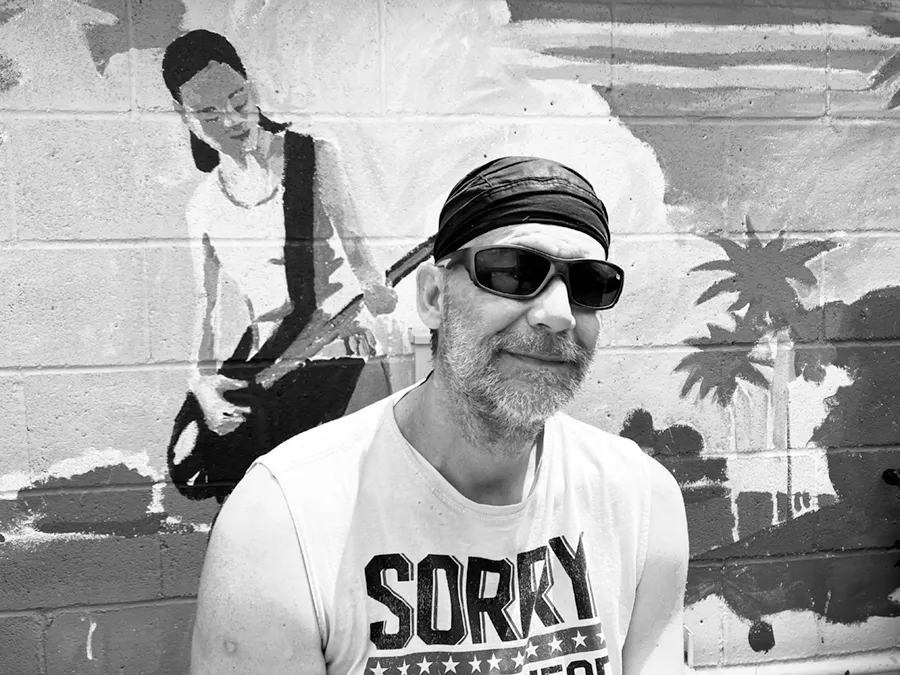
Tobi’s Story
“I have never been homeless before. Being homeless is a new experience to me. I had been married for thirteen years. I ended up doing drugs and my marriage ended. Then, I started having heart problems. I rely on many different drugs to keep myself alive. For a time, I didn’t have access to my life-saving drugs. This was when I became homeless. I didn’t care about myself. And I didn’t care that I was homeless. Thankfully, a friend made me go to Lutheran Hospital to get treatment. Lutheran Hospital connected me to RecoveryWorks. Now I care.”
“RecoveryWorks has helped me with everything and in every way. Each staff person treats me like a very special person. They show me such respect. They will bend over backwards for me and the other guests. They make me feel needed and wanted. They know helping and working is very important to me. I have been a worker my whole life. So, they let me help out all the time. I worked with Rich on the community garden box and I loved it. I have been here for a while now and it has made all the difference. I have applied for and gotten a job at Walmart. I have reconnected with my son. In fact, we plan to move in together. Being at RecoveryWorks has made all the difference. It has changed my life. I have friends and connections now. RecoveryWorks has brought me back to life.”
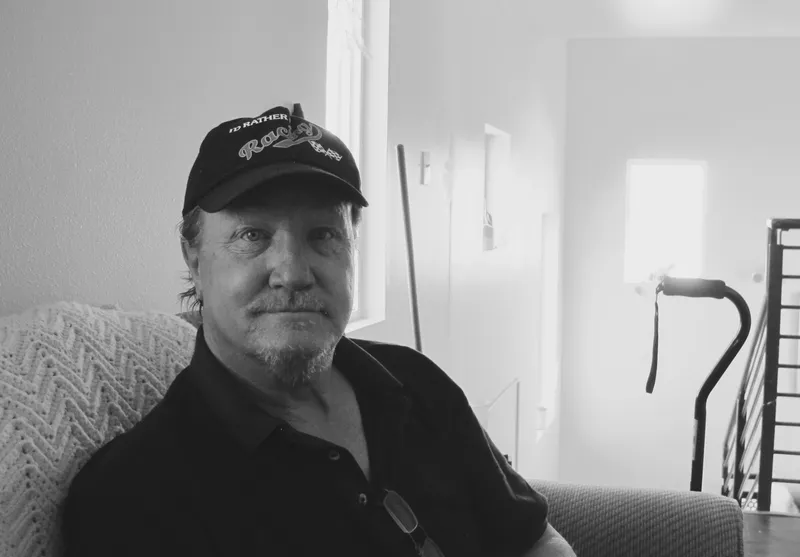
Matt’s Story
I’ve pretty much worked my whole life, you know, since the time I was about 15. I’m 61 now. It’s only been the last year or so that I haven’t been able to work. And I’ve been homeless off and on for 10 years, about 11 years. Last year I was sleeping outside, and I ended up getting some frostbite on my feet. I had all of my toes amputated off of my left foot and some damage to the bottom of my right foot. I’ve never had an injury take so long to heal. It’s been over a year and yet the wound persists. Before I was here (RW), wherever I was, changing the dressing was impossible. Infection has been a big worry for me. (Living on the street) was a challenge because of the fact that I had nowhere safe to keep my dressing supplies. This is where RecoveryWorks has truly been a godsend for me, I’m serious when I say that. You know, everyone that works here… the love, respect and helpfulness… everyone’s been so supportive.”
Read more
“I was working in sales when I became homeless. It was when the banks had imploded, there were so many problems in the economy, and being in sales I was very adversely affected by that. You know, because it was car sales. You just couldn’t find a lender without huge stipulations. In the last 10 years, I’ve gotten some temporary jobs. Some out of the day labor places. Which is hit or miss, sometimes you get work, sometimes they just say they don’t have anything. And between the banks, bad luck… it comes together for the perfect storm. It snowballs. What starts off as an inconvenience turns into a big problem. And there’s shame to it. No one wants to come out and say I’m homeless. It’s not something you wear a badge of honor about. Because nobody chooses to be homeless, not in my experience.”
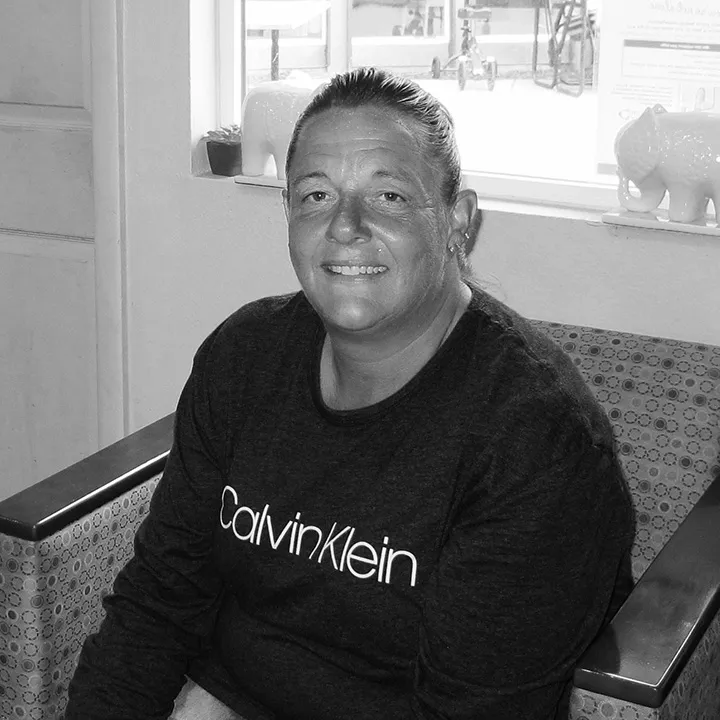
Carly’s Story
“Every one of us has a story of why we’re here. I’ve been homeless for 7 years. I lost my job, I lost my car, I lost my home because I lost my job. I couldn’t pay for anything. My son’s dad doesn’t pay child support regularly. I never imagined myself here, homeless on Colfax. Some people take a look at what happens out here and say it’s fun and games, it’s not fun and games.
It sucks. Don’t underestimate anyone, don’t judge anyone until you walk in their shoes. I’m trying to take the steps I have to, I just have to take it day by day. I want to get my CAC (certified addiction counselor) license back. I did that work for 3 years until things started to fall apart for me. I love helping people. That’s what I do.
People are sometimes too proud to ask for help. At first I felt like I was too good. But then I asked myself “Am I too good or am I afraid to ask for help?” I’ve always done everything by myself and then with the situation I was in, I just got deeper and deeper and deeper, and [RecoveryWorks] reached out to me. And no one’s ever done that for me before. I can’t tell you what I would have done without RecoveryWorks. The people that work here really do try to help us, they absolutely do what they can. But we all make our choices, if you want to change then you have to ask for help. No one knows what you want unless you ask. There’s a lot of opportunity here if you sit down and take the time. Don’t be shy about it, don’t be afraid to ask.”
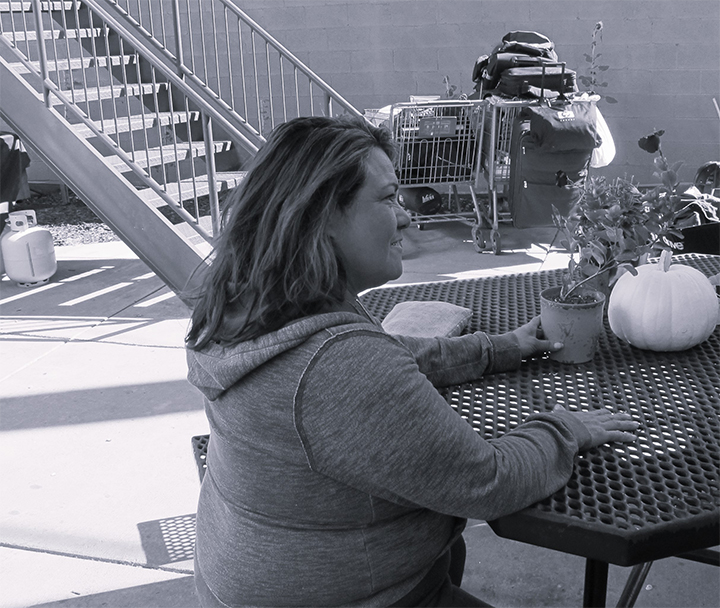
Angela’s Story
“My homelessness started when my daughter was shot and killed by the police. I just couldn’t deal with it. It has been a struggle since then, that was 5 years ago. I prayed that I wouldn’t have to live anymore, I was in such deep mourning. And then I got shot, a year after she died. I got shot in both legs and I bled out quickly. I lost oxygen to my brain, I was in a coma for about 6 months. When I woke I couldn’t remember my name. I couldn’t read. I couldn’t remember what happened, I couldn’t remember anything. I gradually had to learn to read again, to walk, everything. I did that quite quickly. Within about 6 months I was reading at a 4th grade level. I spent 6 months in a nursing home and I went through therapy there. I tried living with family but with my brain injury, I was too sporadic. I would go crazy sometimes and it was a struggle to connect with my family, a very hard struggle. So I became homeless. I’ve always loved this neighborhood, I’ve always lived in this neighborhood. I made friends out here, family really. They take care of me. I do believe that I get stronger every day, I remember more every day. Every day is different. I just don’t know where to go from here. I don’t know, I just feel lost. I don’t want to be out here during the winter. I don’t know how I’ve made it this far. I think I’m done mourning all of my tragic losses, I’m ready to just be okay. I haven’t been okay in a long time and I’m ready to be okay. I need an apartment. I don’t want anything fancy, just a clean place to go and be warm and safe. It’s good for me to talk about this. It helps me to heal. It helps me to realize that I’m not alone. It has been great to meet such helpful, encouraging people. That is what I’ve found here at RecoveryWorks. Everyone here has helped me so much. I would come in crying and they would comfort me and feed me. This is my family here. I am so grateful for this place. I don’t know what I’d do without this place. No one judges me here.”
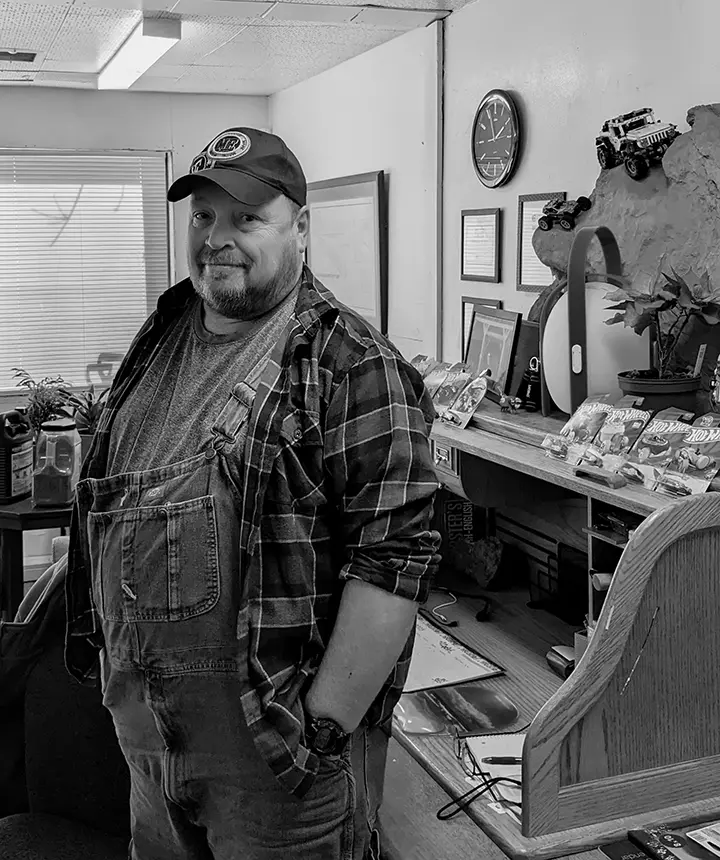
Jeff’s Story
“I’ve been living on the streets on and off since 2005. One night last year we had zero-degree weather, I had a seizure and blacked out. Luckily I was found and I went to the hospital and made my way to RecoveryWorks. I stayed for a month and a half. I was in a bad way, I didn’t realize how bad of shape I was in. If I was still living on the streets, I’d be dead. The people at RecoveryWorks inspired me and were so good to me while I worked on my sobriety.
Since the respite program [at RecoveryWorks], I moved into Just Living Recovery. When I left respite, I was having anxiety. It was hard to leave such a comfortable environment while trying to be sober but I’ve been doing a really good job. I lead recovery meetings now and do other recovery-based work. I started taking addiction counseling classes. I’m 5 courses in and I’m keeping a 90%+ average. When I’m done with my classes, I want to do street outreach with the police. I hope to make a difference that way. People have a certain image of the type of person who lives on the streets. Some people I talk to now don’t believe that I used to live that way but I’ll have the personal experience to help other people in that same kind of situation.” – Jeff, RecoveryWorks Guest
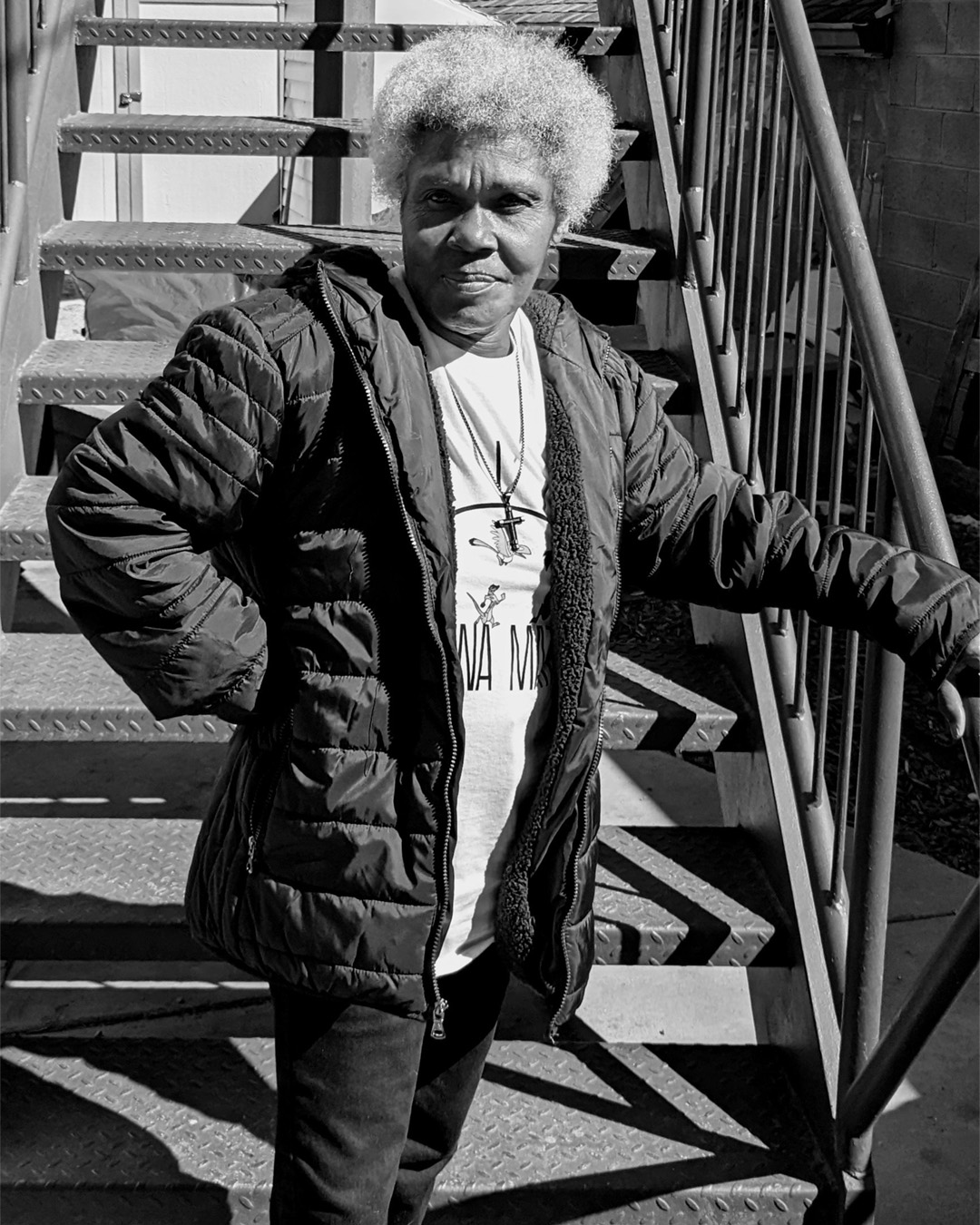
Dorothy’s Story
“I’m from Jasper, Mississippi. I came here [Denver] in 1970. I came here with my dad, but he died shortly after and I was raised by my cousin. I haven’t been back to Mississippi since I left 50 years ago. I’ve heard it hasn’t changed that much. I have four boys that all live here, I’ve been blessed. I thank God for every day that I wake up, for my boys, and for this place. I want people to know that they shouldn’t take things for granted, especially not other people. Appreciate the people trying to help you. You can’t live for the past, you have to live for the present. Tomorrow is not guaranteed to anybody. My daddy always said “Why wait until tomorrow, what are you doing today?”.
[RecoveryWorks] has been good to me, they put me in a hotel and kept me safe. I appreciate that everyone here is just trying to help. They’ve been helping me find housing, it’s going well. Once I get my new apartment I’m excited to put it together and feel at home, I’m going to buy some brand new furniture. I’ve been saving my money like she [Shantell, caseworker] told me to. She’s been helping me so much. I appreciate everything she does for me. I’ve been blessed by this place.”